

How Often Should First Aid Kits Be Checked in the Workplace? (UK HSE Compliance Guide 2026)
Published by Jax First Aid Supplies on 18th Mar 2026
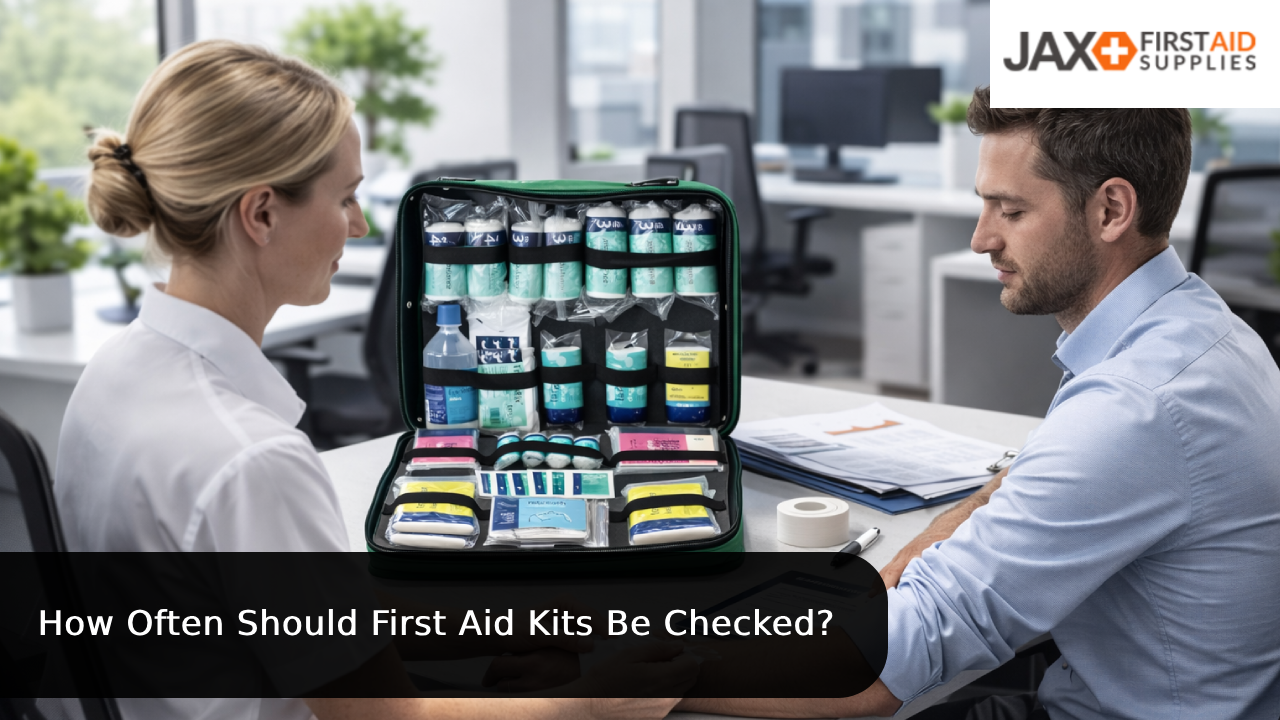
If you’re responsible for health and safety in the workplace, one of the most common compliance questions is: how often should first aid kits be checked?
A workplace first aid kit is a critical part of your first aid provision, but simply having one is not enough. UK law requires employers to ensure that first aid kits be checked frequently and restocked, maintained, and ready to provide first aid for anyone who may need it.
In this guide, we explain how often should first aid kits be checked, what the HSE guidance on first aid says, and how to implement effective first aid kit maintenance and first aid kit management in your workplace.
Why First Aid Kit Maintenance Is Critical in the Workplace
A well maintained first aid kit is essential for delivering effective first aid treatment. Without proper first aid kit inspections, even a stocked first aid kit can quickly become unsafe or non-compliant.
Risks of Poor First Aid Kit Maintenance
If a first aid kit is used and not properly restocked, it may fail when needed most. Common risks include:
-
Expired items past their expiry date
-
Missing essential first aid supplies
-
Damaged or contaminated first aid items
This can delay first aid to a casualty, increase workplace risk, and compromise your commitment to first aid. If you are reviewing out-of-date stock, it is also worth understanding what to do when a first aid kit has expired.
UK Law: First Aid Kits, Workplace Compliance & HSE Guidance
Health and Safety (First Aid) Regulations 1981
Under the Health and Safety (First Aid) Regulations 1981, employers are required to:
-
Provide first aid equipment and facilities
-
Ensure adequate and appropriate first aid provision
-
Appoint a designated first aider or responsible person
These regulations require employers to provide first aid and ensure equipment is usable at all times.
HSE Guidance on First Aid Equipment
The HSE (Health and Safety Executive) states that first aid equipment must be:
-
Clearly identifiable
-
Easily accessible
-
Suitable for the circumstances of your particular workplace
-
Properly stocked and maintained
This means your first aid kit management must include regular checks, and a clear process to ensure that first aid resources are always available. For many employers, this starts with choosing suitable first aid kits.
How Often Should First Aid Kits Be Checked in the Workplace?
Recommended Inspection Frequency
So, how often should first aid kits be checked?
Best practice based on HSE guidance on first aid is:
-
At least monthly (standard workplace)
-
After every use
-
After incidents requiring emergency services when required
-
When workplace risks change (following a first aid needs assessment)
This ensures kits remain stocked first aid resources and compliant.
High Risk vs Low Risk Workplace First Aid Requirements
Your first aid needs assessment identifies how often checks should occur.
-
Low risk workplace (offices): Monthly checks
-
Higher risk workplace (construction, manufacturing): Weekly checks
-
Environments with frequent incidents may require daily visual checks
The level of first aid provision must match the quantity of first aid risks present.
If you're unsure what level of provision your workplace requires, you can use our first aid requirements calculator to quickly assess your needs based on workplace risks and staff numbers.
What Should Be Checked During First Aid Kit Inspections?
1. Expiry Dates
Check all expiry dates, including items like wound cleansing wipes. It is important to check every expiry date on all sterile products. Expired items compromise basic first aid and safety.
2. Contents of a First Aid Kit
Ensure all contents of a first aid kit match your risk assessment, including:
-
Dressings and bandages
-
Gloves and wipes
-
Eye wash and sterile solutions
- Plasters
This ensures appropriate first aid is always available.
3. Stock Levels and Restocking
A kit must be checked frequently and restocked after use. A partially empty first aid box is non-compliant. Use compliant kits such as a HSE 1-20 person workplace first aid kit.
4. Equipment Condition
Inspect all first aid equipment for damage. The kit should remain clean, accessible, and clearly labelled. Track checks using a first aid kit inspection tag and secure with tamperproof seals or security seal studs.
Who Is Responsible for First Aid Kit Management?
First Aiders and Appointed Persons
Responsibility is typically assigned to:
-
A trained first aider
-
An appointed person managing first aid arrangements
In larger workplaces, trained first aiders and implementing structured checks ensures consistency.
Employer Responsibilities
Employers must ensure:
-
Adequate first aid provision must be maintained
-
Staff receive first aid training and details of available training
-
Systems support effective first aid management
Even if a first aider is not required, someone must still manage inspections.
The Role of First Aid Training in Workplace Compliance
Having a compliant first aid kit is only part of the solution. Employers must also ensure staff can undertake first aid effectively.
First Aid Training Requirements
-
-
Provide first aid at work training
-
Ensure access to a competent first aid training provider
-
Consider emergency first aid at work courses
-
Consider whether you also need guidance on trauma kits or defibrillators.
Additional & Mental Health Training
Many workplaces now benefit from:
-
First aiders with additional training
-
Mental health trained first aiders
-
Appointing mental health trained first aiders
This enhances overall workplace first aid capability.
Creating an Effective First Aid Kit Inspection System
To maintain compliance, implement a structured process:
First Aid Kit Inspection Checklist
Your checklist should include:
-
Expiry date verification
-
Contents of first aid validation
-
Equipment condition check
-
Restock confirmation
This supports consistent maintenance of first aid kits.
Record Keeping & Compliance
Documenting inspections helps:
-
Demonstrate compliance with health and safety law
-
Support audits under diseases and dangerous occurrences regulations
-
Improve accountability across teams
Common First Aid Kit Maintenance Mistakes
Avoid these frequent issues:
-
Failing to restock first aid supplies after use
-
Ignoring expired items
-
Not reviewing kits after a first aid needs assessment
-
Lack of training for managers and employees
Providing information or training ensures proper implementation.
Frequently Asked Questions
How often should first aid kits be checked in the workplace? ▼
Is there a legal requirement for inspection frequency? ▼
Who should check a workplace first aid kit? ▼
What should be included in a workplace first aid kit? ▼
Do I need first aid training? ▼
Ensuring Effective First Aid in the Workplace
Understanding how often should first aid kits be checked is essential for health and safety compliance.
To summarise:
-
Conduct regular checks (monthly minimum)
-
Ensure kits are checked frequently and restocked
-
Base frequency on your first aid needs assessment
-
Support systems with proper first aid training
By maintaining a strong first aid in the workplace strategy, businesses can deliver effective first aid, meet legal obligations, and protect employees.