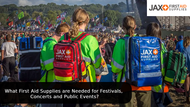
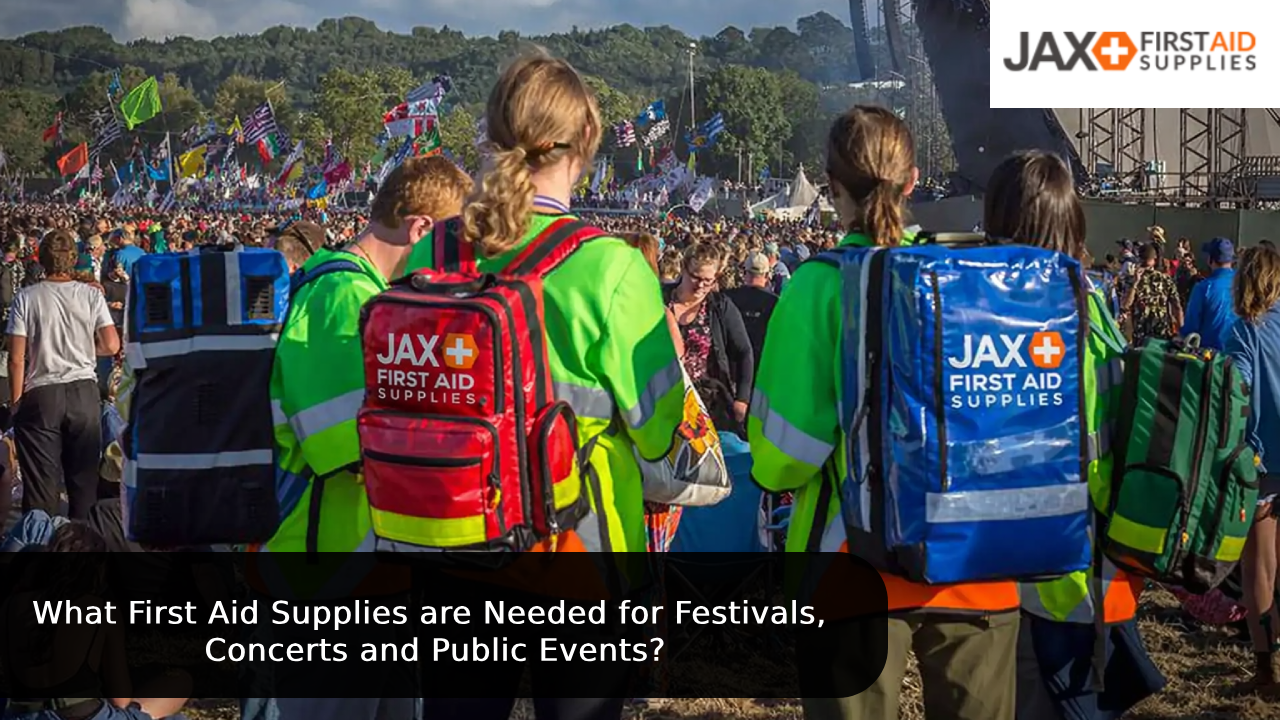
What First Aid Supplies are Needed for Festivals, Concerts and Public Events?
Published by Jax First Aid Supplies on 1st Apr 2026
Public Event First Aid Kit & Trauma Supply Access
Understanding First Aid Requirements for Public Events
Providing effective first aid at any public event is a fundamental part of responsible event management in the UK. Whether you are organising a large festival, a live concert, a sport gathering, or a private wedding, there is a clear duty of care towards everyone attending. This duty extends to ensuring that first aid provision is both adequate and appropriate, allowing any casualty to receive help as fast as possible in the event of an emergency.
The legal framework surrounding first aid, and first aid supplies, for events is shaped by the Health and Safety (First-Aid) Regulations 1981, supported by guidance from the Health and Safety Executive (HSE). While these regulations are most directly applied to the workplace, they also inform how public events are managed. Organisers must carry out a thorough risk assessment to determine the level of first aid equipment, personnel, and medical supplies required. This ensures compliance with health and safety standards and helps to safeguard everyone attending the event. As well as this, the supplies stored should be kept in a suitable clear space, with clear, visible signage, first aid boxes, or defib cabinets to assist in a speedy first aid treatment process during an emergency.
Legal Responsibilities and Duty of Care
There is no single universal checklist that applies to every event, but UK law is clear that organisers have a legal obligation to provide sufficient first aid arrangements. This includes ensuring that suitable first aid kits, trained personnel, and facilities and personnel are in place to manage injuries effectively.
The requirements for first aid will vary depending on the size and nature of the gathering, but organisers must be able to demonstrate that they have taken reasonable steps to mitigate risk. This includes preparing for both common injuries and more serious major incidents. Increasingly, event planning is also influenced by Martyn’s Law, which focuses on the protection of premises and improving preparedness for large-scale emergencies.
In practical terms, this means that events require clearly identifiable first aid equipment, an easily accessible first aid kit, and, where necessary, support from professional first aid providers. These measures ensure that individuals can receive care before emergency services arrive.
What First Aid Supplies Should Be Available at Events?
At the heart of any first aid provision is a properly stocked first aid kit. The exact first aid kit contents will depend on the nature of the event, but all kits should include a reliable range of items designed to manage injuries effectively.
A standard first aid kit should contain sterile dressing materials, bandage solutions, and plaster supplies for treating minor wounds. In addition, items such as disposable gloves, cleansing wipes, and eye wash are essential for maintaining hygiene and preventing infection. These first aid supplies form the foundation of any first aid preparedness strategy.
For events with higher attendance or increased risk, organisers should ensure that their kits are suitably stocked with additional first aid products. This may include larger pad dressings, specialist wound care items, and supplies to treat burns or environmental injuries. The goal is always to provide appropriate first aid that can stabilise a person with life threatening injuries until further help arrives.

HSE 1-50 Person First Aid Kit
Best for:
Workplaces with up to 50 people including offices, construction sites and commercial environments
Highlights:
- Fully compliant with HSE first aid regulations for workplace safety
- Comprehensive first aid kit contents for treating common injuries and emergencies
- Includes dressings, bandages, plasters, gloves and essential first aid supplies
- Durable, clearly identifiable case for easy storage and access
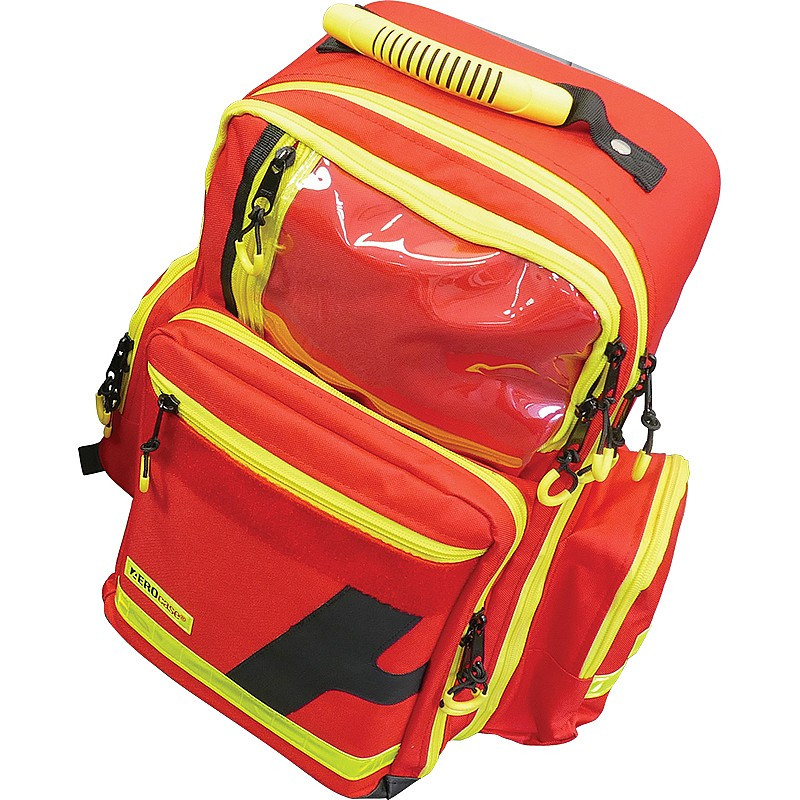
Emergency Medical First Aid Backpack (Red – Empty)
Best for:
First aid responders, events, workplaces & emergency preparedness
Highlights:
- Durable, high-visibility red medical backpack
- Multiple compartments for organised first aid supplies
- Ideal for building a custom first aid kit or trauma kit
- Lightweight, portable design for rapid emergency response
Public Access Trauma First Aid and High-Risk Scenarios
In recent years, there has been increased emphasis on public access trauma first aid, particularly for larger public events. This shift reflects a growing awareness of the need to respond effectively to major bleeding, catastrophic bleeding, and other serious injuries that may occur during mass casualty events.
A public access trauma first aid kit, sometimes referred to as an access trauma first aid kit, or major incident kit, is specifically designed to manage severe injuries. These trauma first aid kits typically include trauma dressings, a tourniquet, and haemostatic control products that can help stop bleeding quickly. In situations where seconds matter, this type of trauma first aid can be truly lifesaving.
Guidance from the National Counter Terrorism Security Office has reinforced the importance of counter terrorism first aid, encouraging venues to install publicly accessible trauma kits as part of a broader safety strategy. For event organisers, including these kits is now considered best practice and is often strongly recommended.
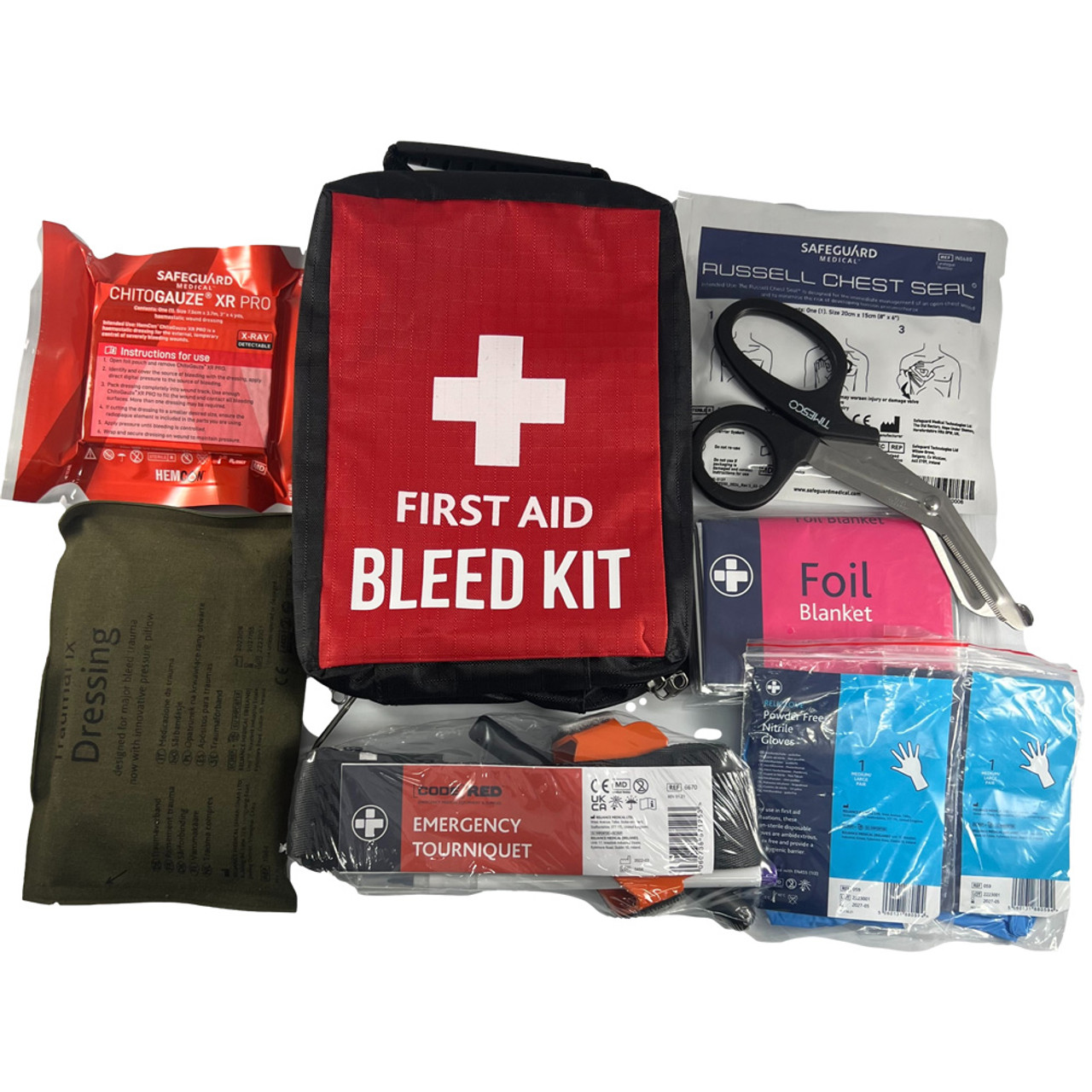
Bleed Control First Aid Kit
Best for:
Public access trauma response, workplaces, construction sites & high-risk environments
Highlights:
- Designed to treat severe and catastrophic bleeding emergencies
- Includes essential trauma items such as tourniquet and haemostatic dressings
- Ideal for public access trauma first aid and emergency preparedness
- Compact, clearly organised kit for rapid response situations
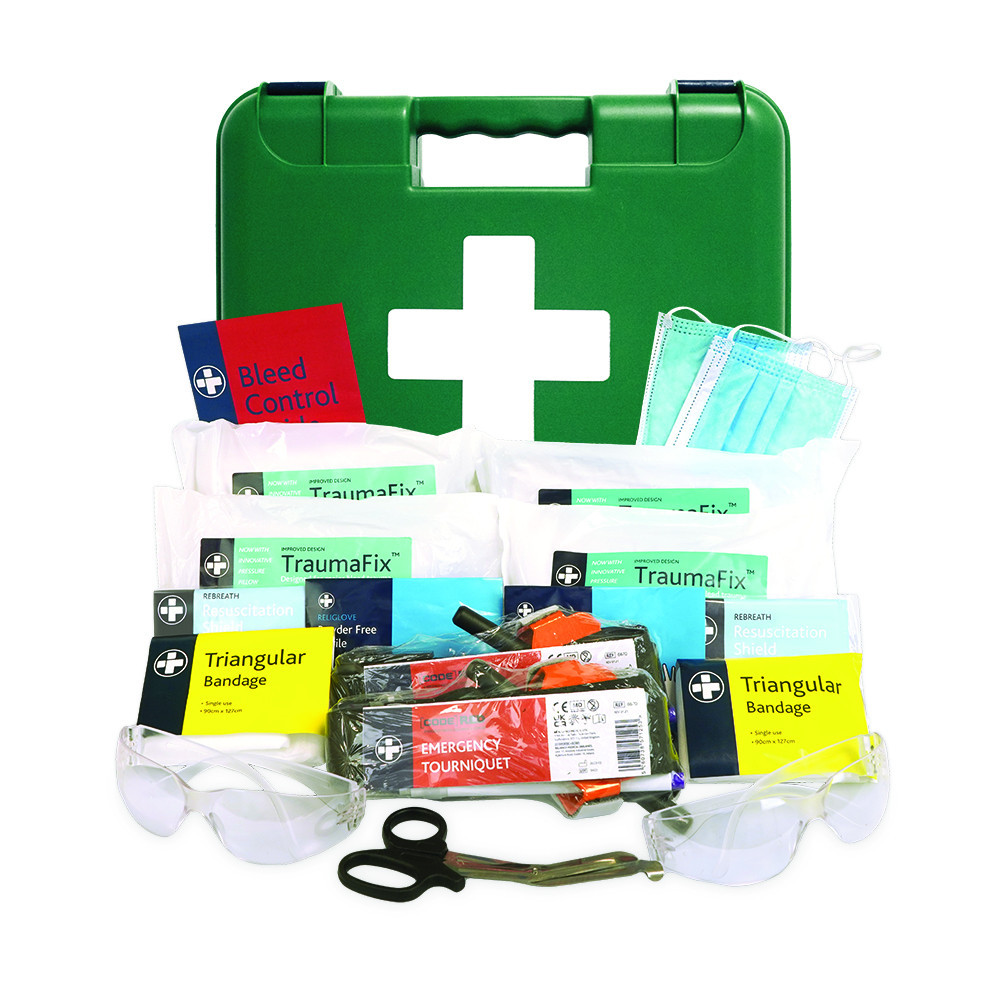
Public Access Trauma (PAcT) First Aid Kit
Best for:
Public venues, events, schools, transport hubs & high-footfall areas
Highlights:
- Designed for public access trauma first aid and major incident response
- Includes haemostatic dressings, tourniquet & trauma care essentials
- Supports treatment of severe and catastrophic bleeding
- Durable Titan box for clearly identifiable, publicly accessible storage
- Aligned with UK counter terrorism first aid guidance
The Role of Defibrillators and Advanced Medical Equipment
In addition to traditional first aid equipment, many public events now incorporate advanced medical equipment such as a defibrillator. In cases of cardiac arrest, access to a defibrillator significantly improves survival outcomes, particularly when used within the first few minutes.
While not always a strict legal requirement, defibrillators are widely recommended by health and safety bodies and are increasingly expected at larger events. They form an important part of modern first aid resilience, ensuring organisers are prepared for a wide range of medical emergencies.

Mediana A15 HeartOn AED
Best for:
Workplaces, public access areas, schools & emergency response
Highlights:
- Fully automated AED with clear voice and visual guidance
- Suitable for public access defibrillation and workplace safety
- Compact, durable design with easy-to-use electrode pads
- Designed for rapid response to cardiac arrest emergencies
Risk Assessment and First Aid Planning
Effective first aid for events begins with a detailed risk assessment. This process allows organisers to identify the specific risks associated with their event, from crowd density to environmental hazards.
For smaller events, a basic first aid kit and a trained individual may be sufficient. However, as events increase in size or complexity, so too must the level of first aid provision. Larger gatherings may require a dedicated first aid area, multiple kits, and coordination with professional first aid providers who specialise in event safety.
The aim is always to ensure that providing first aid is efficient, organised, and capable of handling both minor injuries and more serious incident scenarios. By planning ahead, organisers can ensure they are able to respond quickly and effectively.
Working with Professional First Aid Providers
For many larger events, working with organisations such as St John Ambulance provides an additional layer of reassurance. These first aid providers bring experience, trained personnel, and the ability to manage complex situations, ensuring that all aspects of first aid for events are handled professionally.
Their involvement can help ensure that your organisation meets both regulatory expectations and recognised best practice, particularly where large crowds or higher-risk environments are involved.
Final Thoughts
Providing effective first aid at a public event is both a legal requirement and a critical component of event safety. By ensuring you have the right first aid kit, appropriate first aid supplies, and access to advanced solutions such as bleed kits and defibrillator units, you can meet your duty of care and protect those attending.
Ultimately, well-planned first aid provision not only supports health and safety compliance but also ensures that in any emergency, the right response is available when it matters most.