
First Aid Room Essentials: What Equipment Should You Have?
Published by Jax First Aid Supplies on 15th Apr 2026
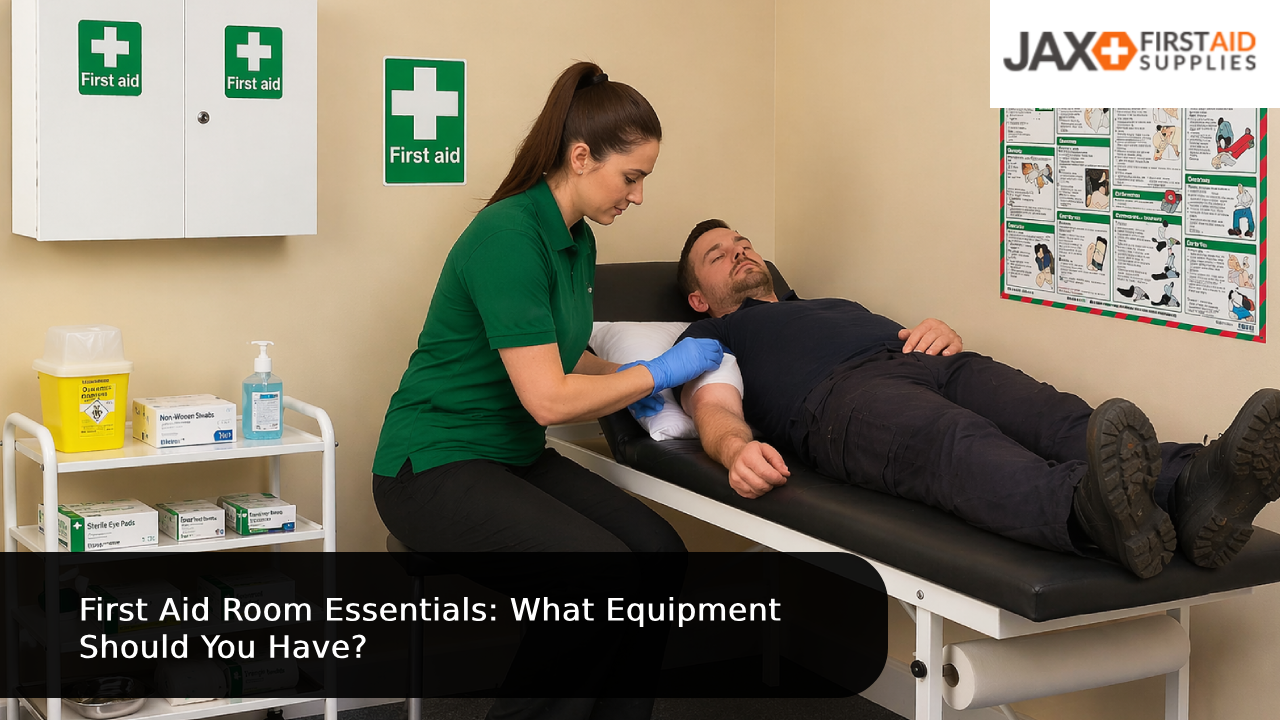
Creating a compliant and well-equipped first aid room is a key part of workplace health and safety in the UK. Whether you are managing a large site, warehouse, or office environment, understanding First Aid Room Essentials ensures your organisation is prepared to respond effectively to incidents.
Under the Health and Safety (First-Aid) Regulations 1981, employers provide appropriate equipment and facilities based on a first aid needs assessment. This applies to businesses of all sizes, including the self-employed, where relevant.
This guide outlines what you need in your first aid room, how to remain compliant with HSE expectations, and how to ensure your setup is fit for purpose.
Do You Need a First Aid Room in Your Workplace?
Not every workplace requires a dedicated first aid room. According to the Health and Safety Executive, the requirement depends on your type of work, the level of risk, and the size of your workforce.
A needs assessment identifies whether additional facilities beyond a workplace first aid kit are required. For example:
- Low-risk environments such as desk-based work may only require a minimum first aid kit
- Higher-risk environments where work activities involve machinery or hazardous materials may require a dedicated first aid room
A first aid room should always be easily accessible and, where necessary, easily accessible to stretchers.
Core First Aid Kit Essentials for a First Aid Room
Every first aid room must include a fully stocked first aid kit. The first aid kit contents should align with your first aid needs assessment and reflect the risks present in your workplace.
A compliant first-aid kit will typically include:
- Sterile items such as dressings and wipes
- A range of plaster options in assorted sizes
- Bandage rolls and triangular bandages
- Gloves, ideally hypoallergenic, to reduce skin reactions
- Cleansing wipes and other essential first aid supplies
The contents of a first aid kit should be checked regularly to ensure nothing has reached its expiry date. Expired items, particularly sterile supplies, must be replaced promptly to maintain safety standards.
First Aid Equipment Beyond the Basic Kit
A first aid room requires more than just a first aid box. Additional first aid equipment should be available to support effective treatment and management of incidents.
This may include:
- A treatment couch or bed for treating a casualty
- Chairs, stools and accessible space for assessment
- Handwashing facilities to maintain hygiene
- Storage for stock and many items used in first aid
A defibrillator, specifically an automated external device, is strongly recommended in many workplaces. While not mandatory in all settings, it can significantly improve outcomes in cases such as a suspected heart attack while calling the emergency services or waiting for the ambulance service.
Storage, Stock Control and Expiry Management
Managing the contents of your first aid supplies is essential for compliance and safety. A suitably stocked first aid room ensures that all items in your first aid provision are ready for use when needed.
You should:
- Regularly inspect all supplies and restock where required
- Monitor the expiry date of all items
- Safely dispose of expired items, particularly particularly sterile ones
Workplaces must also ensure the safe disposal of clinical waste, including the use of:
- Clinical waste bags
- Waste bags or a container suitable for disposal
- A sharps bin suitable for the safe handling of hazardous waste
- Systems for the safe disposal of clinical waste
In some environments, foot-operated refuse containers are recommended to reduce contamination risks.
Medication and What Should NOT Be Included
A common question relates to medication in a first aid kit. According to guidance on first aid, items such as aspirin, paracetamol, or an inhaler should not be included as standard in workplace kits.
These are considered prescribed medication or personal medication and should only be used under appropriate circumstances. A workplace first aider should not administer medication unless specifically trained and authorised.
Training and Personnel Requirements
A well-equipped first aid room must be supported by trained personnel. Depending on your workplace first aid requirements, this may include:
- A first aider with formal certification
- An appointed person responsible for managing first aid arrangements
First aid training ensures that trained first aiders can provide appropriate first aid until further help arrives.
Compliance with British Standards and Regulations
To ensure your workplace first aid kit and facilities are compliant, it is advisable to use kits that meet the British Standard BS 8599-1. These kits that comply with recognised standards help ensure consistency and quality.
The Health and Safety Executive provides general guidance on first aid, but ultimately your provision must meet the needs identified in your risk assessment.
How Often Should First Aid Kits Be Checked?
A common query is how often should first aid kits be inspected. While there is no fixed legal interval, best practice is to:
- Check kits monthly
- Inspect after any use
- Review during routine health and safety checks
This ensures your first aid kit contains all required items and remains ready for use.
Why First Aid Room Essentials Matter
Having the correct kit essentials and facilities in place is not just about compliance. It helps organisations respond effectively to incidents, protect employees, and potentially save lives.
Whether you are managing a large industrial site or a smaller office, ensuring your first aid provision is appropriate to the type of work you carry out is critical.
FAQs: First Aid Room Essentials
What is included in a workplace first aid kit?
A workplace first aid kit typically includes sterile dressings, plaster options, bandage materials, gloves, and cleaning supplies. The exact first aid kit contents depend on your risk assessment.
Do all workplaces need a first aid room?
No. A first aid needs assessment determines whether a dedicated room is required.
Can medication be kept in a first aid kit?
No. Items like aspirin or paracetamol are not usually included in standard kits.
How often should first aid kits be checked?
They should be checked regularly to ensure no items expire and that supplies are fully stocked.
What standard should first aid kits meet?
Kits should ideally meet British Standard BS 8599-1.
Who is responsible for first aid provision?
The employer is responsible for ensuring appropriate first aid at work arrangements.
Understanding First Aid Room Essentials: What Equipment Should You Have is essential for maintaining compliance and protecting your workforce. From a properly stocked first aid kit to trained personnel and safe disposal systems, every element plays a role in effective workplace safety.
By following HSE guidance and ensuring your provision is tailored to your risks, your organisation can maintain high standards of care and preparedness.