
How to Be a Better First Aid Trainer: Practical Tips for More Engaging Courses
Published by Jax First Aid Supplies on 2nd Jun 2026
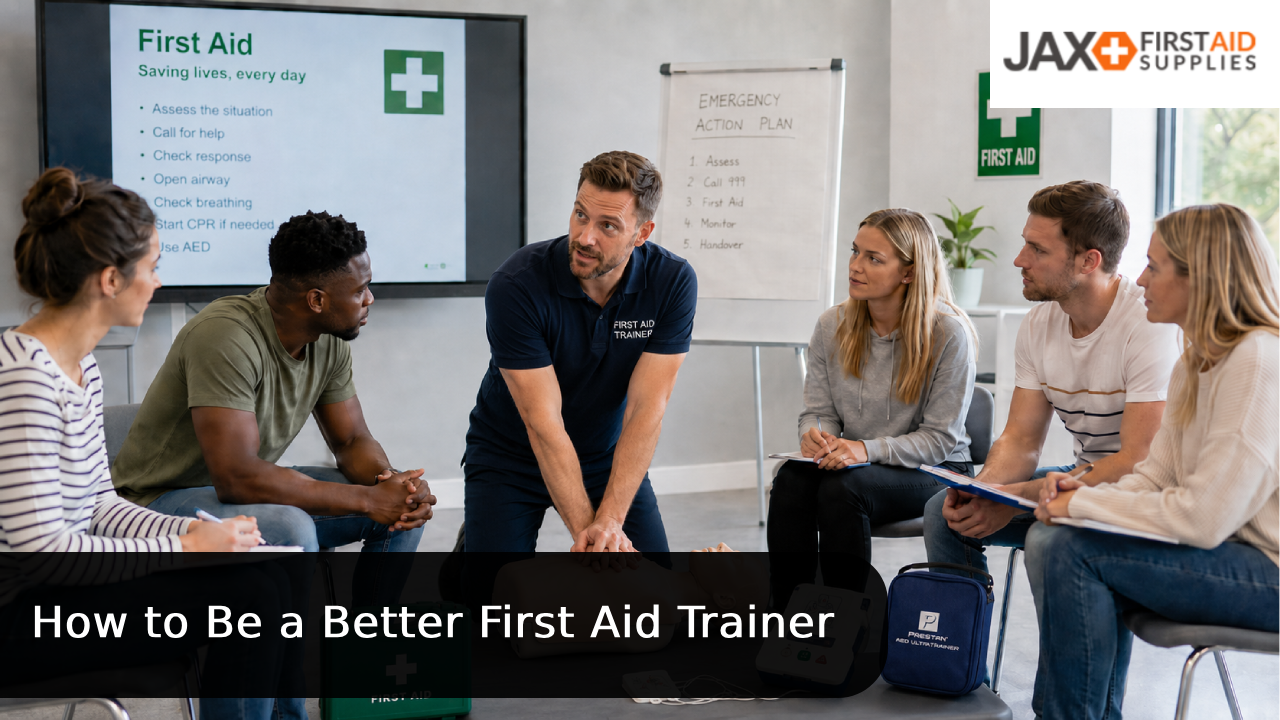
How to Be a Better First Aid Trainer
A good first aid trainer does more than just read from slides. The best trainers make every first aid course practical, memorable and relevant to real-life emergency situations. Whether you deliver Emergency First Aid at Work, First Aid at Work, paediatric first aid, CPR, AED, basic life support training or refresher sessions, your teaching style can make the difference between a learner simply passing a course and a learner feeling confident enough to respond.
This guide shares practical ways to become a better first aid trainer, improve course delivery, keep learners engaged, and use the right training equipment to make each session more realistic. It is written for freelance trainers, training businesses, workplace instructors, new trainers, experienced first aid instructors and anyone wanting to improve the quality of their first aid training.
Quick Answer: What Makes a Better First Aid Trainer?
A better first aid trainer combines subject knowledge, clear communication skills, realistic scenarios, hands-on practice, constructive feedback and well-maintained training equipment. The aim is not just to help learners gain a certificate, but to build the confidence to recognise an emergency, respond calmly and use first aid skills correctly.
A strong trainer keeps their qualification, CPD and guideline knowledge up to date, adapts their teaching style to the group, uses practical scenarios, and checks that learners can apply skills in a realistic situation.
Useful Jax First Aid supplies: Prestan Bronze Bundle First Aid Trainer Kit, First Aid Training Limb Set, Act Fast Anti Choking Vest, First Aid Training Pack, EpiPen Auto Injector Trainer and Manikin Wipes 200.
What Makes a Good First Aid Trainer?
A good trainer understands that people attend a first aid course with different levels of confidence. Some learners may be nervous about CPR. Some may dislike blood, bandaging or role play. Others may have done a course before and feel they already know the basics. Your job as a first aid instructor is to bring the group together, create a safe learning environment and help every learner leave with more confidence than they arrived with.
Quality first aid training depends on more than technical knowledge. A strong instructor should be able to teach clearly, demonstrate skills safely, manage time, answer questions, correct poor technique and keep the course moving without rushing important practice.
The best trainers usually have three things in common:
- They know their subject and keep their knowledge up to date.
- They make the lesson practical rather than purely theoretical.
- They use the right equipment, scenarios and feedback to help learners improve.
Know Your Course, Qualification and Training Requirements
Before you can become a better first aid trainer, you need to be clear on the qualification, course specification and assessment method you are delivering. A trainer teaching EFAW will not deliver the same session as a trainer teaching FAW, paediatric first aid, AED training or basic life support training.
If you deliver regulated qualifications, check the requirements from your awarding organisation, often shortened to AO. Your centre approval, assessment paperwork, internal quality assurance and certificate process must match the course you are delivering. If you work freelance, make sure your booking process, course paperwork, certification and trainer records are consistent.
HSE no longer approves first aid training providers, so employers need to carry out due diligence when selecting a provider. This makes it even more important for a first aid training organisation to show competence, clear training requirements, suitable trainer qualification, appropriate equipment and a reliable certification process.
Trainer Tip
Keep a simple CPD log. Record guideline updates, course feedback, new equipment, lesson improvements, annual observations, standardisation meetings and any external training you attend. It helps demonstrate your commitment to quality first aid training.
Make the Course Practical, Not Just Theoretical
The fastest way to lose a learner is to talk for too long. First aid is a practical skill, so the course should feel practical from the start. A better trainer uses short explanations, clear demonstrations and repeated hands-on practice.
Instead of spending too long explaining a method, demonstrate it, let learners try it, then give feedback. For example, when teaching bandaging, show the correct technique, then let learners practise with a triangular bandage, conforming bandage or first aid training pack.
For CPR and AED practice, use a mannequin or CPR manikin that allows learners to practise compression position, compression depth, recoil and rhythm. Products such as the Prestan Professional Pro Adult Manikin, Prestan Ultralite Manikin with CPR Feedback and Prestan AED UltraTrainer 4 Pack can help make training sessions more hands-on.
Use Realistic Scenarios to Build Confidence
Real-life first aid is rarely neat and tidy. A casualty may be panicking, the room may be noisy, the learner may be under pressure, and the first aider may need to respond quickly with limited equipment. Scenario-based training helps learners practise how they would respond outside the classroom.
Instead of asking, “What would you do for a bleed?”, create a situation. For example:
- A warehouse worker cuts their arm on metal strapping.
- A diner starts choking in a café.
- A colleague collapses in an office and is not responding.
- A pupil has a suspected anaphylaxis emergency.
- A construction worker has a burn from hot material.
This teaching style makes the first aid lesson more active. It also helps learners recognise hazards, communicate with others, call emergency help and use first aid equipment under pressure.
Product Pick: First Aid Training Limb Set

First Aid Training Limb Set – Injury Practice
A practical training aid for making wound care, bleeding, embedded object and bandaging scenarios feel more realistic during a first aid course.
Best use cases: EFAW, FAW, paediatric first aid, workplace first aid, bandaging practice, scenario stations and practical assessment preparation.
Improve Your Teaching Style
Your teaching style affects how learners feel during the session. A friendly, calm and structured first aid instructor can make nervous learners feel safe enough to practise. A rushed or overly technical instructor can make the course feel harder than it needs to be.
Good communication skills are essential. Use simple language, explain why each skill matters, check understanding often and avoid overloading the learner with too much information at once. A strong trainer can break a skill down into small steps, then build it back up into a realistic emergency response.
Useful ways to improve your style include:
- Use short explanations followed by practice.
- Ask questions instead of only giving answers.
- Use real-life examples from the learner’s workplace or industry.
- Give feedback privately where possible if someone is embarrassed.
- Encourage learners who are nervous about CPR or role play.
- Use a projector for visuals, but do not rely on slides for the whole course.
- Keep the session active, especially after lunch or during a weekend course.
Keep CPR and AED Practice Hands-On
CPR is one of the most important parts of many first aid courses. Learners need time to practise properly, not just watch a demonstration. If you want to deliver better CPR and AED sessions, give learners enough practice time and use training equipment that provides clear feedback.
Feedback helps learners recognise whether their technique is improving. A CPR manikin with feedback can support better practice, especially for compression depth, recoil and rate. AED trainers also help learners understand pad placement, safety checks and how to follow voice prompts during an emergency.
Useful Jax First Aid products for CPR and AED sessions include:
- Prestan Bronze Bundle First Aid Trainer Kit
- Prestan Silver Bundle First Aid Trainer Kit
- Prestan Gold Bundle First Aid Trainer Kit
- Prestan AED UltraTrainer 4 Pack
- Prestan Universal AED Trainer Pads for UltraTrainer Plus 4 Pack
- Manikin Wipes 200
- Lung Bags Prestan Ultralite 50 Pack
- Prestan Adult Lung Bags 50
- CPR Face Shield
- CPR Face Shield Roll
Product Pick: Prestan Bronze Bundle First Aid Trainer Kit
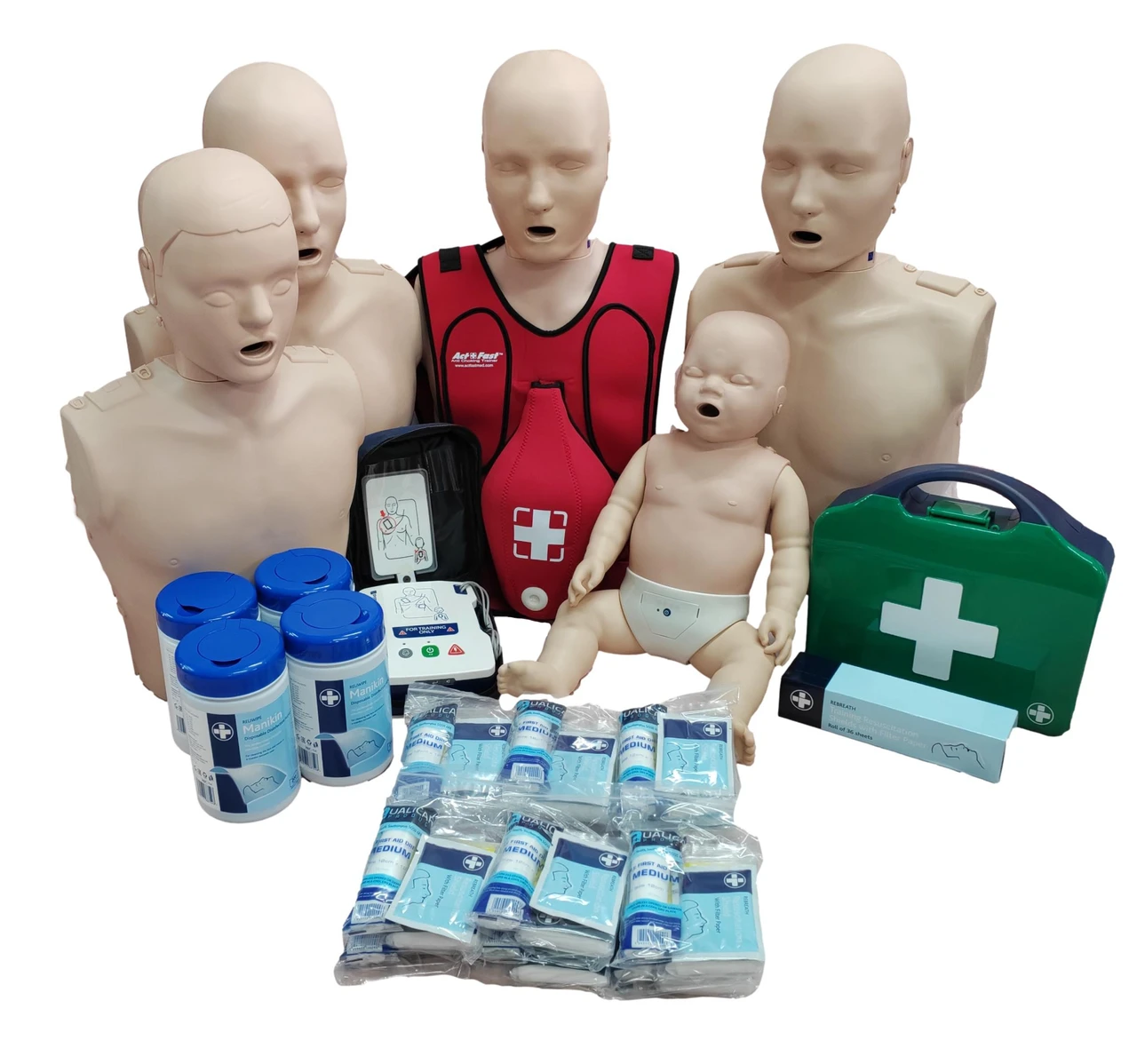
Prestan Bronze Bundle First Aid Trainer Kit
A complete starter or upgrade bundle for a first aid trainer delivering CPR, AED, choking and practical first aid sessions.
Best use cases: new trainers, freelance trainers, training businesses, workplace first aid instructors and course providers wanting a ready-made training setup.
Make Choking and Anaphylaxis Training More Memorable
Choking and anaphylaxis can be difficult to teach well if learners only hear the theory. Demonstration equipment can help learners understand the emergency situation and practise the correct response in a controlled way.
For choking practice, an anti-choking trainer vest can help show the effect of correct technique. For anaphylaxis, an EpiPen Auto Injector Trainer allows learners to practise with a training device instead of only looking at a picture or slide.
Useful products include:
- Act Fast Anti Choking Vest
- Choking Rescue Trainer Vest for Children
- EpiPen Auto Injector Trainer
- Treating Anaphylaxis in Schools Laminated A2 Poster
Product Pick: Act Fast Anti Choking Vest
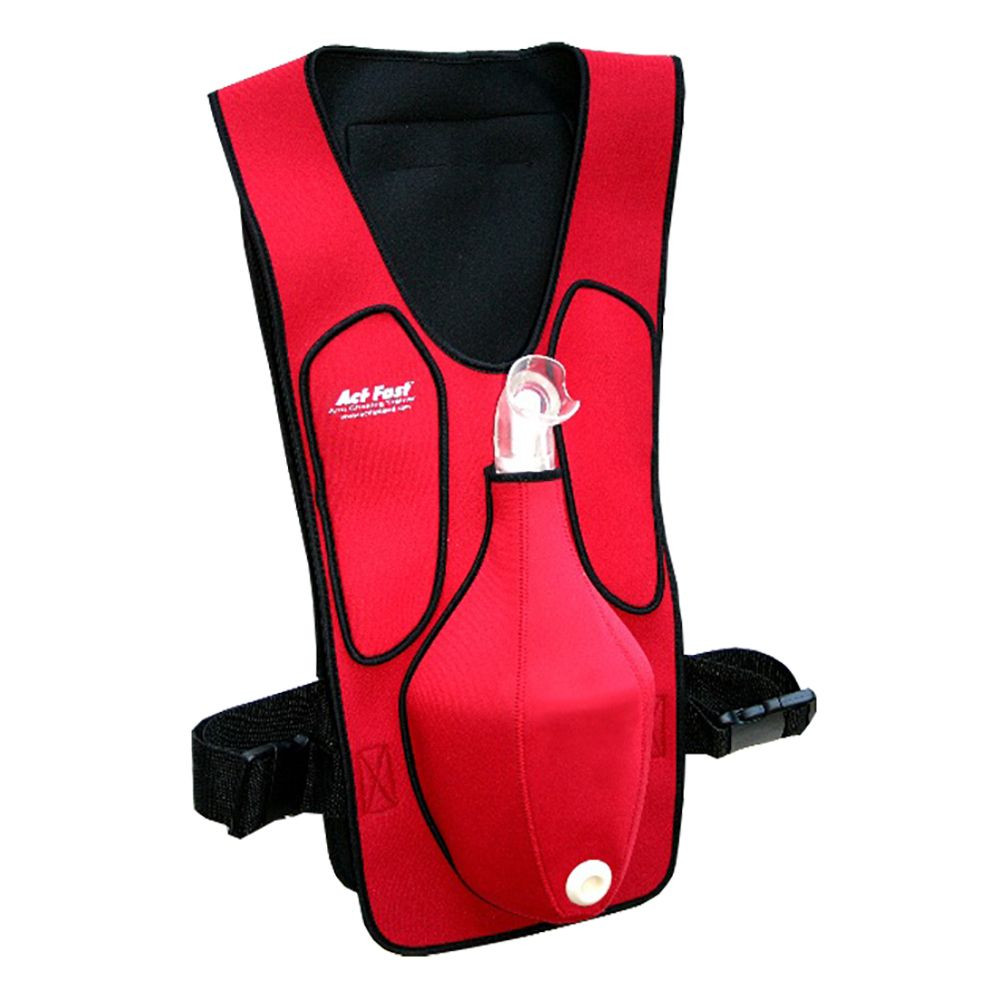
Act Fast Anti Choking Vest
A reusable trainer aid for practising choking rescue techniques in a classroom or practical training environment.
Best use cases: first aid instructors, CPR instructors, workplace courses, paediatric sessions, refresher courses and scenario-based learning.
Teach Bleeding, Burns and Bandaging With Better Practice Stations
Bandaging and wound care are often rushed, but they are important parts of many first aid sessions. A better trainer gives learners time to practise on different injuries, not just one clean bandage around a wrist.
You can improve the lesson by setting up simple stations:
- One station for minor wounds and dressings.
- One station for embedded objects.
- One station for severe bleeding and pressure.
- One station for burns and cooling discussion.
- One station for triangular bandage practice.
Useful products include First Aid Training Packs, First Aid Training Limb Set, Celox Training Gauze 5ft Z-Fold, Combat Tourniquet for Training, Triangular Bandage and Conforming Bandage 7.5cm x 4m.
Give Feedback That Helps Learners Improve
Good feedback is specific, calm and useful. Telling someone “that was wrong” does not help. A better method is to tell the learner what worked, what to change and what to try next.
For example:
- “Your hand position is good. Now slow the bandage down and keep the tension even.”
- “You recognised the emergency quickly. Next time, ask someone specific to call 999.”
- “Your CPR rhythm is close. Use the feedback lights to adjust your compression rate.”
This approach builds confidence without ignoring mistakes. It also helps learners understand that first aid is a skill they can improve with practice.
Keep Learners Involved Throughout the Course
A first aid course should not feel like a lecture. Learners should be involved from the start. Ask questions, use short group activities, rotate practice partners, set up scenarios and link topics back to the learner’s workplace or role.
Good ways to involve learners include:
- Ask what emergencies they are most likely to face at work.
- Use mini scenarios after each topic.
- Let learners demonstrate skills back to the group.
- Use practical kit checks to discuss first aid equipment.
- Give learners roles such as casualty, first aider, helper and observer.
This makes the course feel more relevant and helps learners retain the information after the certificate has been issued.
Keep Your Training Kit Clean, Stocked and Ready
A professional first aid trainer should arrive prepared. Missing consumables, dirty manikins, flat AED trainer batteries or damaged bandages can make the session feel disorganised. It also affects learner trust.
Before every booking, check:
- Are CPR manikins clean and working?
- Are lung bags and face shields stocked?
- Are AED trainer pads usable?
- Are manikin wipes available?
- Are training packs ready for the number of learners?
- Are bandages, dressings and scenario supplies packed?
- Are certificates, course paperwork and assessment documents ready?
- Is the projector, laptop, extension lead or speaker packed if required?
Useful restock items include Manikin Wipes 200, Prestan Ultralite Lung Bags, Prestan Adult Lung Bags, CPR Face Shield Roll, Rebreath CPR Face Shields with Filter Paper and Prestan Universal AED Trainer Pads.
Keep Updating Your Knowledge
A better first aid trainer does not rely on the same lesson forever. First aid guidance, equipment, assessment expectations and learner needs can change. Make time to update your course material, review new guidance, refresh your own skills and keep your CPD current.
This is especially important if you teach regulated qualifications, work under a centre, deliver training for an employer, or want to become a trainer with long-term credibility in the industry.
CPD can include:
- Reading current HSE first aid at work guidance.
- Checking updates from your awarding organisation.
- Reviewing Resuscitation Council UK guideline updates.
- Attending standardisation meetings.
- Observing another instructor.
- Updating lesson plans and scenarios.
- Testing new training equipment.
- Reviewing learner feedback after each session.
Think About the Learner After the Course
A strong course does not end when the learner receives a certificate. The aim is to help first aiders remember what to do when a real emergency happens. You can support this by giving clear takeaway guidance, recommending workplace refreshers and signposting useful resources.
Books and learner resources can help reinforce training after the session. Useful Jax First Aid resources include the Emergency First Aid Made Easy Book A5, Paediatric First Aid Made Easy Book A5, First Aid Guidance Leaflet and Workplace Safety First Aid Information Posters.
Recommended First Aid Trainer Supplies From Jax First Aid
Jax First Aid supplies first aid training equipment, CPR manikins, AED trainers, choking trainers, training consumables, books and practical scenario supplies for trainers across the UK.
Trainer Bundles
Prestan trainer bundles for CPR, AED, choking and practical first aid course delivery.
Scenario Practice
Training limbs, bandages, dressings and practice supplies for realistic first aid scenarios.
Choking Training
Choking trainer vests for practical airway and choking rescue sessions.
Trainer Consumables
Manikin wipes, lung bags, CPR face shields, AED pads, bandages and training packs.
Final Thoughts: Better Trainers Build Better First Aiders
To become a better first aid trainer, focus on practical delivery, realistic scenarios, clear feedback and learner confidence. The best trainers are not just passionate about first aid; they are prepared, organised, up to date and committed to helping people respond when it matters.
Better first aid training comes from combining good teaching, suitable equipment, strong communication skills and regular CPD. Whether you are a freelance trainer, a first aid instructor working for a training organisation, or an employer delivering in-house sessions, small improvements to your lesson style can make every course more effective.
Need First Aid Trainer Supplies?
Shop CPR manikins, AED trainers, first aid training packs, choking trainer vests, EpiPen trainers, manikin wipes, lung bags and practical scenario supplies from Jax First Aid.
View Trainer Bundles Shop Training Packs Ask About Bulk Orders
Frequently Asked Questions
How can I be a better first aid trainer?
You can be a better first aid trainer by making your course practical, using realistic scenarios, keeping learners involved, giving clear feedback, using suitable training equipment and keeping your CPD, qualification knowledge and course material up to date.
What equipment does a first aid trainer need?
A first aid trainer may need CPR manikins, AED trainers, manikin wipes, lung bags, CPR face shields, first aid training packs, bandages, dressings, choking trainer vests, EpiPen trainers, scenario supplies and course paperwork. The exact equipment depends on the course being delivered.
Can I become a first aid trainer without previous teaching experience?
You may be able to become a first aid trainer if you meet the required first aid, teaching, assessing and awarding organisation requirements for the course you want to deliver. Check the specific qualification, centre and certification requirements before offering training.
Does HSE approve first aid trainers?
HSE no longer approves first aid training providers. Employers are responsible for making sure the training provider they choose is competent. Trainers should be able to demonstrate appropriate qualifications, experience, quality assurance and suitable course delivery.
How can I make a first aid course more engaging?
Use shorter explanations, more hands-on practice, realistic scenarios, group activities, learner questions, practical feedback and training equipment that helps learners practise real emergency responses rather than only listening to theory.
What should I include in a first aid trainer kit?
A first aid trainer kit may include adult, child and infant CPR manikins, AED trainers, face shields, lung bags, wipes, bandages, dressings, EpiPen trainers, choking trainer vests, training tourniquets, scenario supplies, learner books and course paperwork.
Why is feedback important in first aid training?
Feedback helps learners correct mistakes and build confidence. Clear, specific feedback is especially useful for CPR technique, AED practice, bandaging, choking response and realistic emergency scenarios.
Can Jax First Aid supply first aid trainer equipment in bulk?
Yes. Jax First Aid supplies CPR manikins, AED trainers, trainer bundles, first aid training packs, manikin wipes, lung bags, CPR face shields, choking trainer vests, EpiPen trainers and practical scenario supplies for trainers and training organisations across the UK.