

How to Treat Common Sports Injuries: A First Aid Guide
Published by Jax First Aid Supplies on 4th Feb 2026
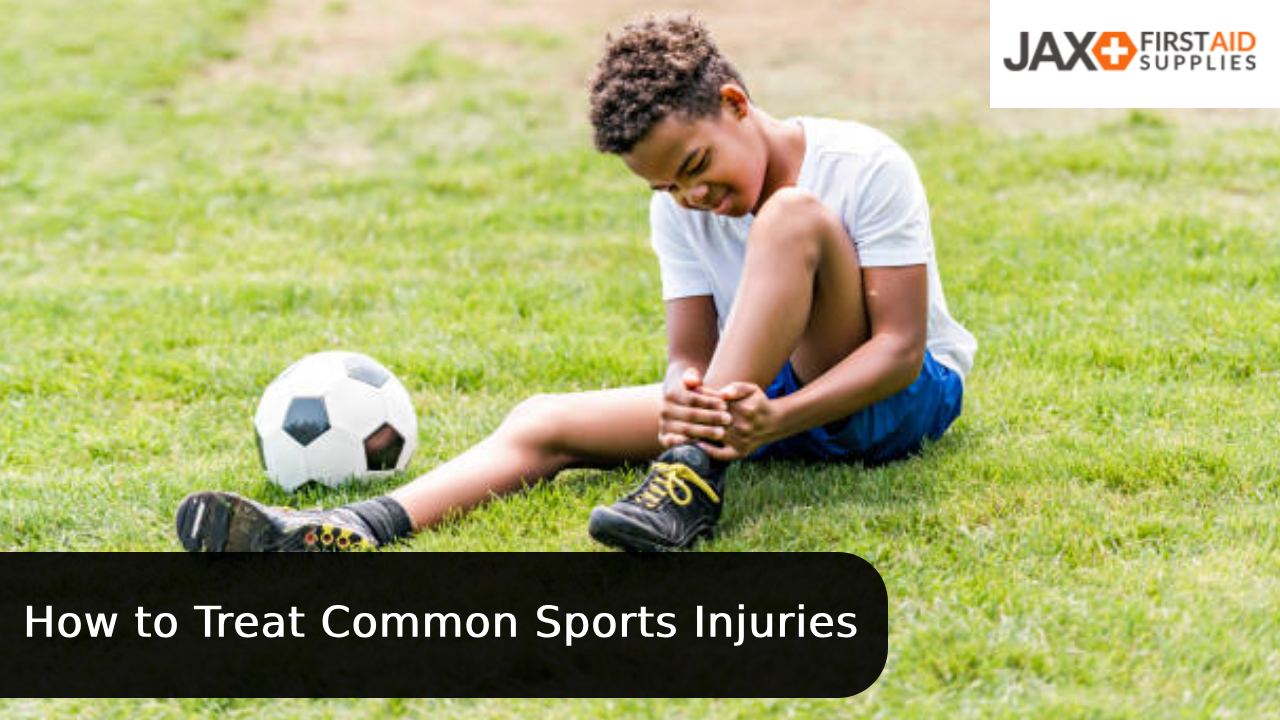
Treating Common Sports Injuries
Whether you are a coach, PE teacher, personal trainer, or weekend footballer, knowing how to give immediate first aid for sports injuries is highly important. Every year in the UK, thousands of people suffer from sports related injuries, from sprains to fractures; many of which can easily be effectively managed with quick and accurate first aid.
According to the Health and Safety Executive (HSE), all employers, including sports facilities and clubs, must ensure “adequate and appropriate first aid provision” under the Health and Safety (First Aid) Regulations 1981. That means having trained first aiders, a stocked first aid kit, and procedures for immediate emergency response to injuries, minor or major.
Legal Responsibility for First Aid in Sports Settings
While not every sports venue is a workplace, the same principles of duty of care apply.
Sports clubs, schools, and event organisers are responsible for making sure their participants and spectators are able to receive immediate help in the event of injury or illness.
Under UK law:
- Sports clubs should carry out a risk assessment to identify likely injuries.
- A qualified first aider or trained coach should always be present during activity.
- Facilities must stock first aid supplies that meet HSE standards.
If your setting employs staff or involves members of the public, you must also meet the Management of Health and Safety at Work Regulations 1999, requiring suitable emergency arrangements.
Understanding Common Sports Injuries
Sports injuries can be sudden or chronic. Here’s how to identify and manage the most frequent injuries sustained from sports safely and effectively.
Sprains and Strains
- Sprains affect ligaments; strains affect muscles or tendons.
- They often occur due to overstretching, twisting, or sudden impact.
- Symptoms: Pain, swelling, bruising, and restricted movement.
Treatment:
It is recommended to follow the PRICE method:
- P - Protection: Stop the activity immediately.
- R - Rest: Avoid movement to prevent further injury.
- I - Ice: Apply a cold pack or wrapped instant ice pack for 10-15 minutes.
- C - Compression: Use an elastic bandage to minimise swelling.
- E - Elevation: Raise the limb above heart level if possible.
Fractures and Dislocations
These are medical emergencies. Do not move the casualty unless in danger. Support the injured area with a sling or splint, and call 999 immediately.
Keep the person warm using a foil blanket (which is essential for shock prevention) and reassure them until emergency help arrives.
Cuts, Grazes, and Bleeding
Clean wounds with sterile wound wipes, and cover with a plaster or dressing to minimise infection risk. For heavier bleeding, apply direct pressure, use a haemostatic dressing if trained, and elevate the injury.
Make sure your first aid kit includes:
Head Injuries and Concussion
Head injuries must always be taken seriously. Warning signs may include dizziness, nausea, blurred vision, headache, confusion, or loss of consciousness.
Under UK Concussion Guidelines for Grassroots Sport (2023), anyone with suspected concussion must stop playing immediately and not return the same day.
Monitor the casualty and refer them to a healthcare professional. For minor cuts or grazes to the head, use low adherent dressings and ice packs to control swelling.
Muscle Cramps and Overexertion
Caused by dehydration or electrolyte imbalance, cramps are painful but temporary. Stretch and massage the affected muscle, and encourage fluid replacement. Hydration and gentle cooldowns minimise future risk.
Heat Exhaustion and Dehydration
Especially in summer or indoor events, prolonged exercise can lead to heat exhaustion.
Symptoms may include dizziness, rapid pulse, nausea, and clammy skin. Move the casualty to a cool place, loosen clothing, and give small sips of water. If symptoms persist or worsen, call 999, as this may indicate heatstroke.
Immediate First Aid Steps: The PRICE Principle
The PRICE method is the gold standard for soft tissue injuries in sport. It minimises swelling, prevents further damage, and supports early recovery.
It is further recommended to avoid HARM in the first 48 hours: Heat, Alcohol, Running, Massage.
When to Seek Medical Help
Call 999 or seek urgent care if the casualty:
- Cannot bear weight on a limb;
- Has severe pain, swelling, or deformity;
- Becomes unconscious or vomits;
- Shows signs of chest pain or breathing difficulty.
Essential Sports First Aid Kit Contents
Every sports club, school, and event should have a comprehensive first aid kit accessible pitch side. According to the HSE First Aid at Work Approved Code of Practice (L74) and UK Coaching guidance, a sports first aid kit should include:
- Sterile dressings (various sizes)
- Bandages (conforming and crepe)
- Instant ice packs
- Adhesive plasters
- Gloves and wipes
- Microporous tape
- Triangular bandages (for slings)
- Foil blanket
- Scissors and tweezers
- Eye wash and sterile saline pods
We highly recommend a HSE-compliant pre-built first aid kit, such as the Sports First Aid Kit, which is stocked with the essential first aid supplies for sports injuries.
Preventing Sports Injuries
Prevention is better than cure. Coaches should:
- Encourage warm ups and cool downs before and after sports.
- Make sure that equipment and surfaces are safe.
- Promote hydration and rest.
- Teach correct technique and protective gear use.
Employers and organisers should also check first aid kit expiry dates and replace stock when expired or immediately after use.